
Sentiment tracking & reputational risk · 20 March – 16 September 2026
Six months at sea. The praise is about the ship. The criticism is about the bill.
An external, publicly-sourced read on Four Seasons Yachts since the maiden voyage of Four Seasons I — what social, influencer and independent guest conversation says about the experience and the brand's reputation to date.
Overall sentiment
Favourable
Positive on product, persistently contested on value.
Direction since launch
Stabilised
Early operational criticism did not recur after May.
Dominant negative
Non-inclusive pricing
The one theme present in every month we measured.
Biggest single shift
Loss of a voice
Captain Kate McCue's departure removed the brand's largest earned-media engine.
The evidence
The evidence, before the analysis.
Thirteen posts, spanning the full six months rather than only the recent weeks — the substance of this story sits in March to June, and a recent-only view would hide it. Every claim on this page traces back to one of these. Each tile opens the original.
YouTube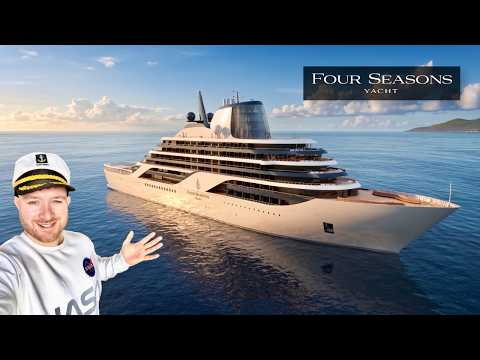
Value debateYouTube
@Trektrendy
8 Jun 2026
“I Tried an Ultra Luxury Four Seasons Cruise” — seven nights on board, ending at the Funnel Suite. The most-viewed post of the period.
1.2MMixed
YouTube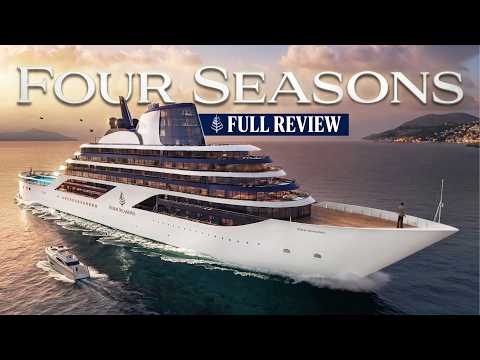
Guest accountYouTube
@ryanwalkerT5
13 May 2026
“My (Very Honest) Four Seasons ‘Yacht I’ Review” — the source of every operational claim in the dataset.
642.6KNegative
YouTube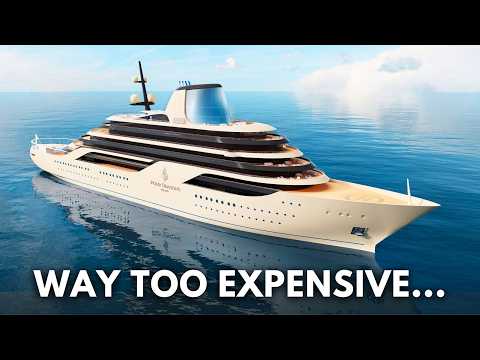
Category doubtYouTube
@BrightSunTravels
8 May 2026
“I Don’t Understand These New Ultra-Luxury Cruise Ships” — the category-credibility critique.
577.6KNegative
TikTok
AmplificationTikTok
@user9594583540879
11 Jun 2026
“I Tried an Ultra Luxury Four Seasons Cruise — P2”. A re-upload of the YouTube review above: half a million views on borrowed footage.
500.6KMixed
TikTok
Advisor previewTikTok
@a.waytravelco
30 Mar 2026
“This is not a cruise ship, this is Four Seasons at sea. Spacious, ultra-luxurious, designed more like a private yacht.”
376.5KPositive
TikTok
OnboardTikTok
@simbachiquita
28 Jun 2026
“A new ultra-luxury cruise line that brings the signature hospitality of the hotel chain to the open ocean.”
249.8KPositive
TikTok
Port accessTikTok
@splitcroatiatravel
3 Jul 2026
“Spotted in Split — the first Four Seasons ultra luxury hotel / superyacht sitting in front of Split. Absolute perfection.”
198.2KPositive
TikTok
Price anchorTikTok
@trek.trendy
27 May 2026
“At 350k a week this is the most exclusive suite at sea.” The number that anchored every later value argument.
117.5KMixed
TikTok
Launch voiceTikTok
@captainkatemccue
29 May 2026
“Suite Life: Sea-thru TV” — product detail as content, from the captain. Her strongest in-window post.
98.0KPositive
TikTok
Value gapTikTok
@nautibliss
3 Sep 2026
“€350,000 for one week onboard Four Seasons I… with 200+ other guests. For the same money, you’re already in 60m+ private yacht territory.”
58.2KNegative
TikTok
Head to headTikTok
@a.waytravelco
6 Apr 2026
“The Ritz Yacht feels like a beautiful, intimate luxury cruise. The Four Seasons Yacht feels like stepping into a floating Four Seasons resort.”
39.5KMixed
TikTok
Trade scepticismTikTok
@grushevskytravel
8 Aug 2026
“People in the business still recommend it, which is just nuts. It’s literally just a floating hotel bill.”
11.8KNegative
TikTok
SafetyTikTok
@mama11118899
18 May 2026
A critical guest review, flagged in the data for food-allergy handling. The one operational complaint not traceable to the May review.
633Negative